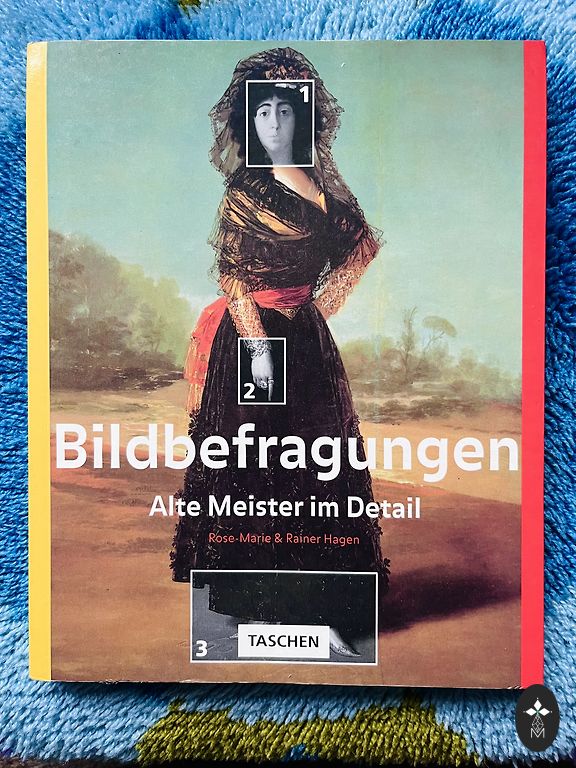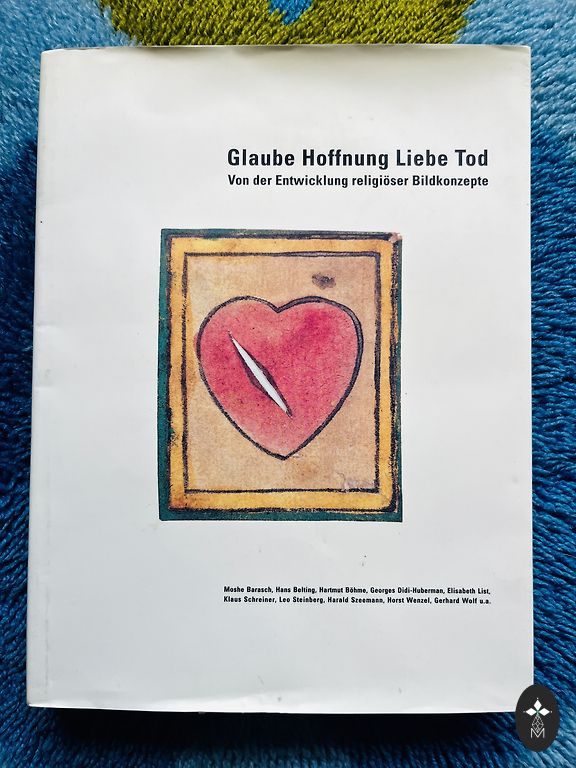




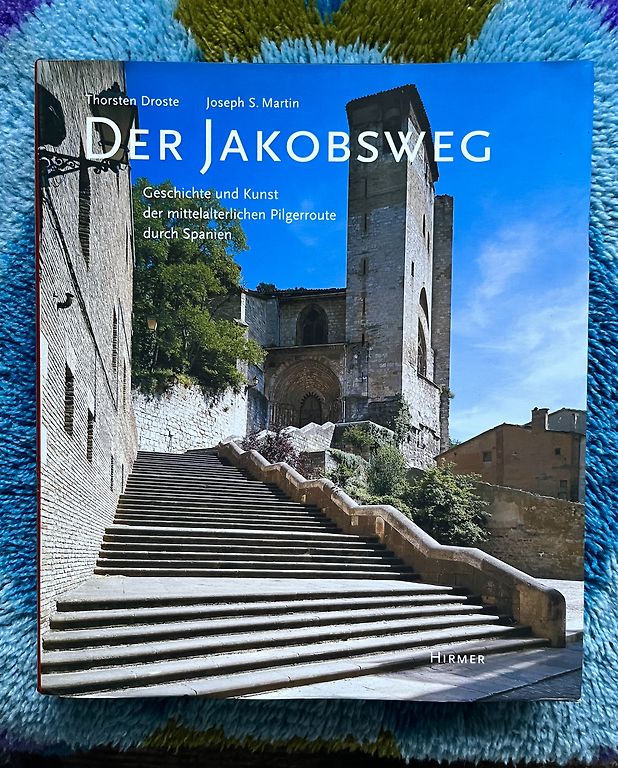

Sv.Jēkaba ceļa svētceļnieku maršruta albums, vāciski
| Stāvoklis | Lietots, lieliskā stāvoklī |
| Valoda | Cita |
| Pievienots | 18. janvāris, 20:24258 |
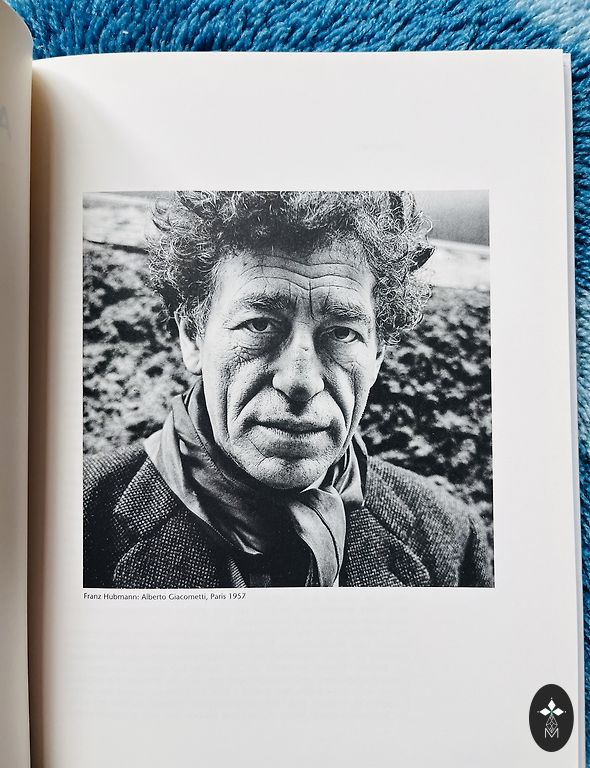
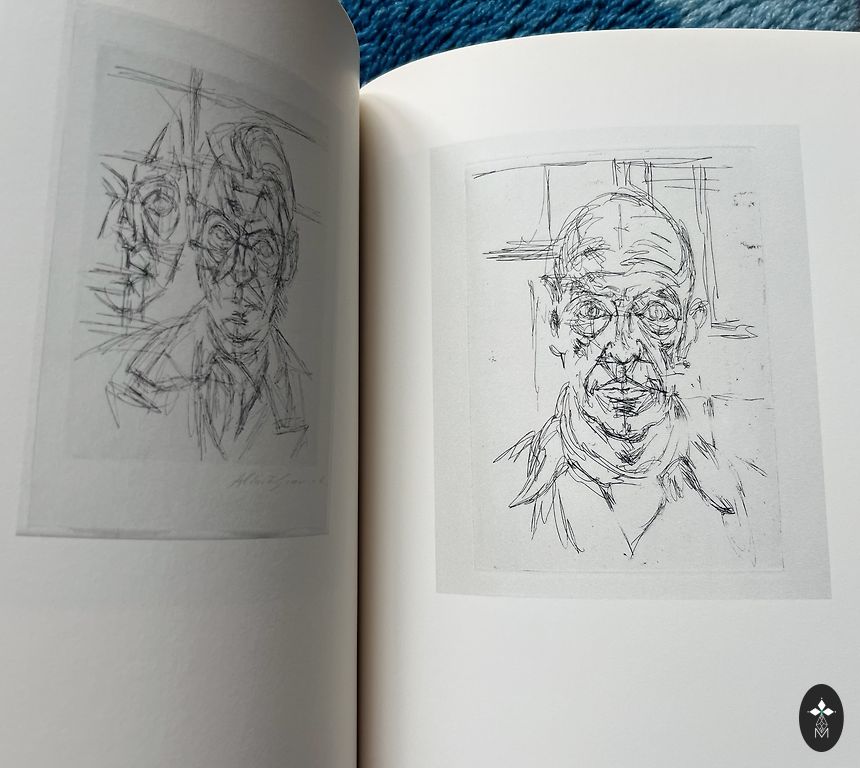
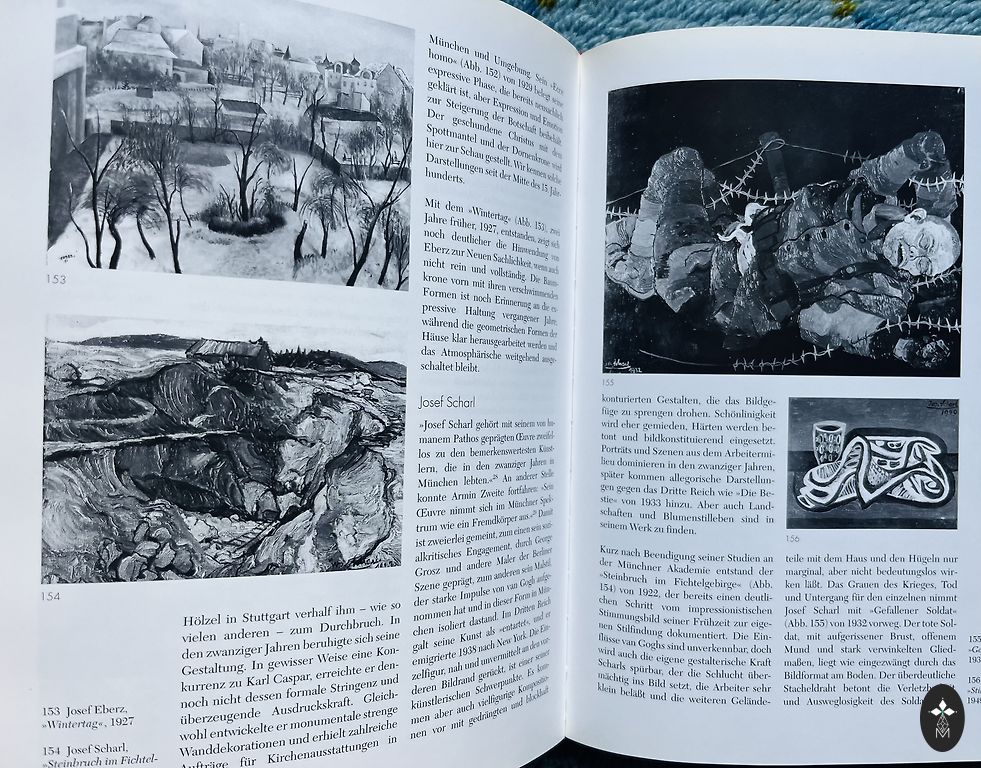
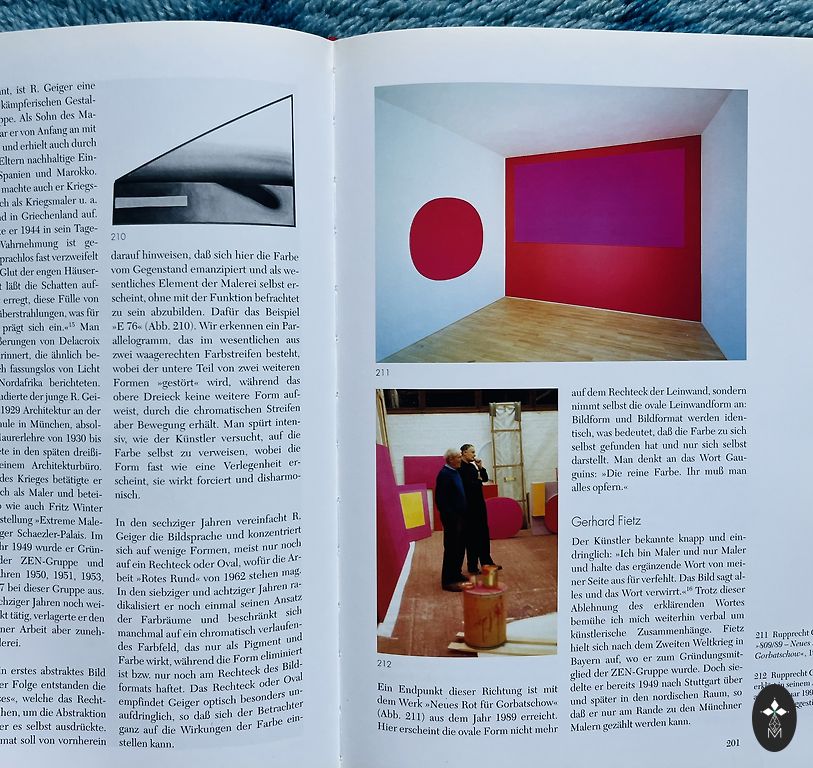
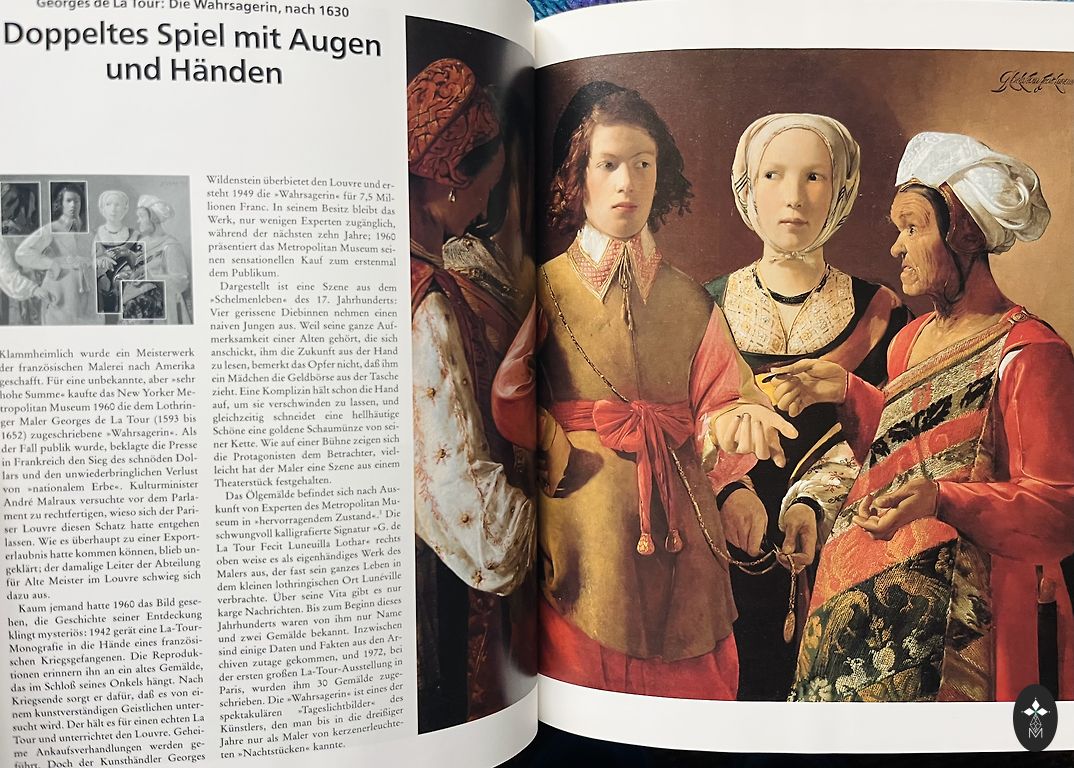
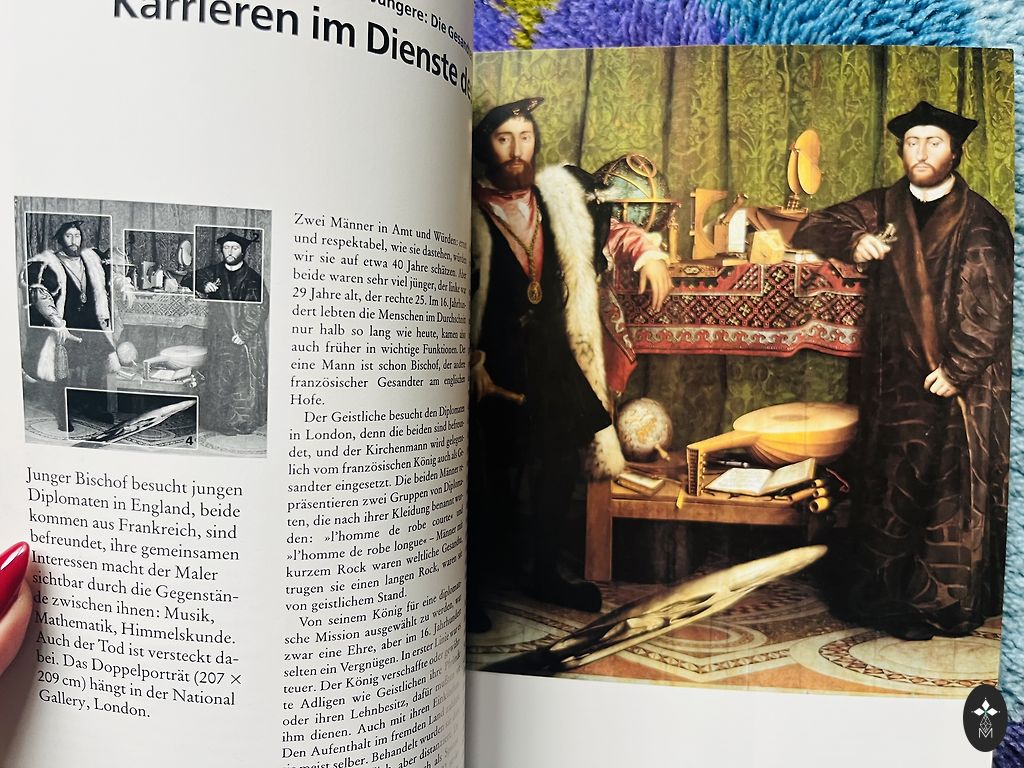
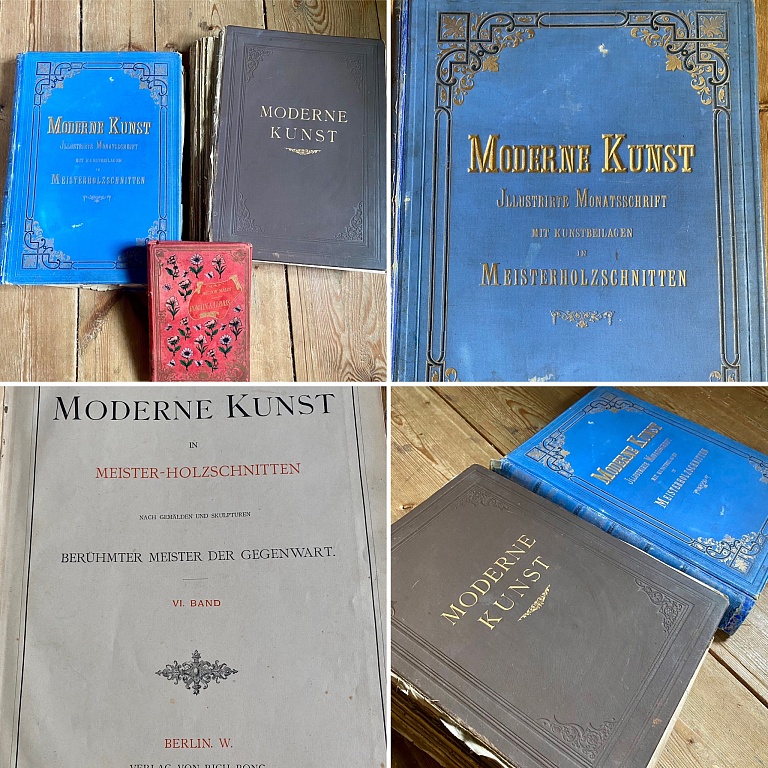
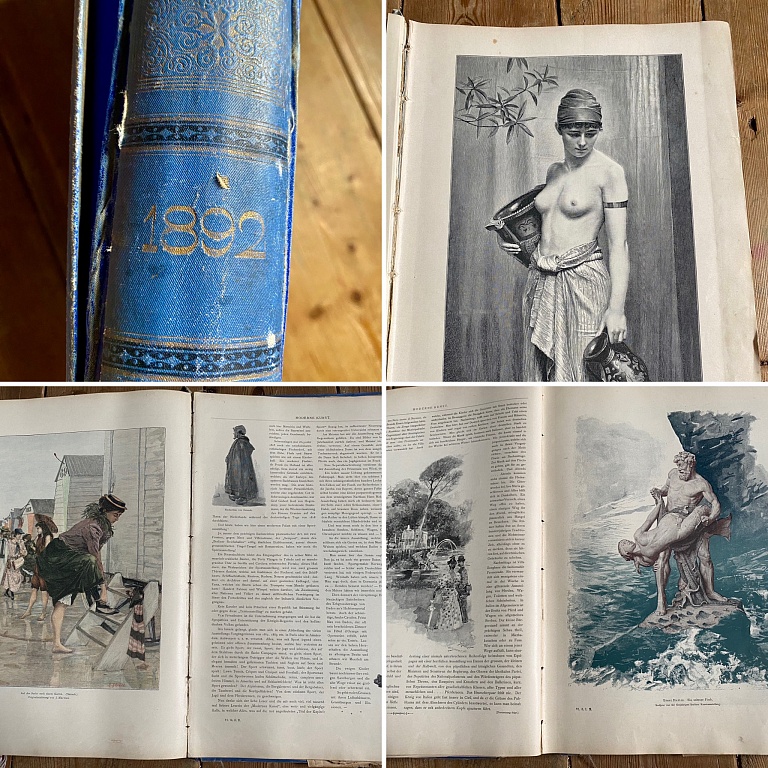
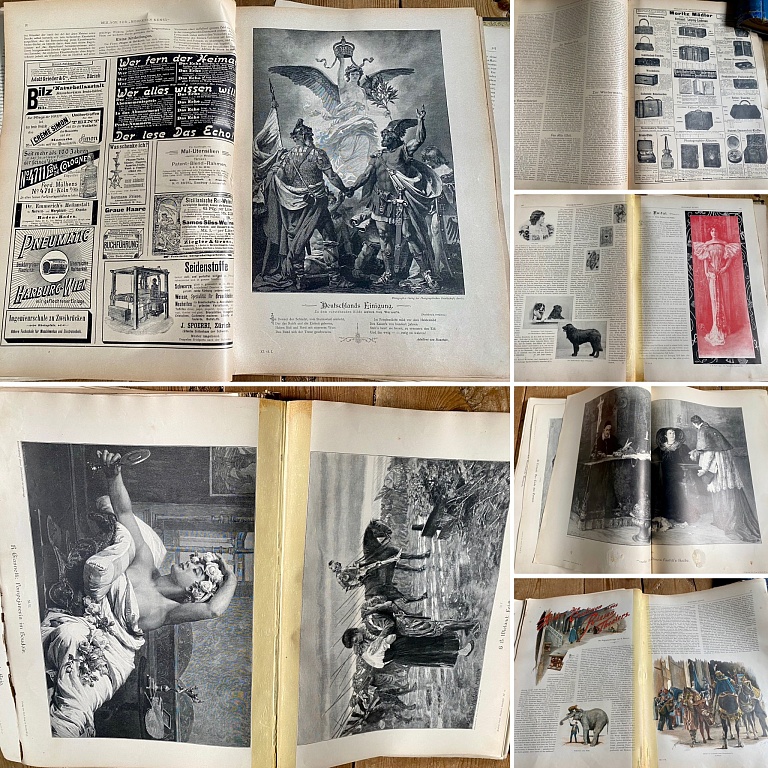
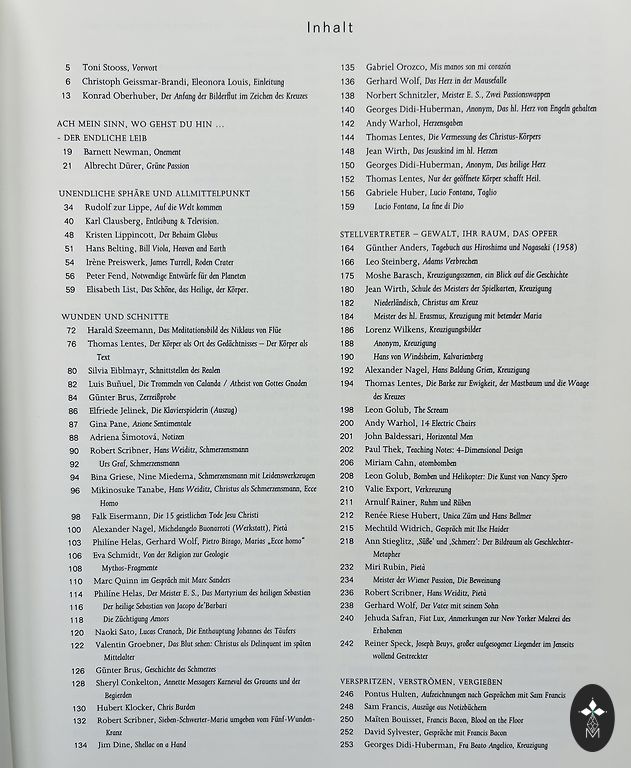
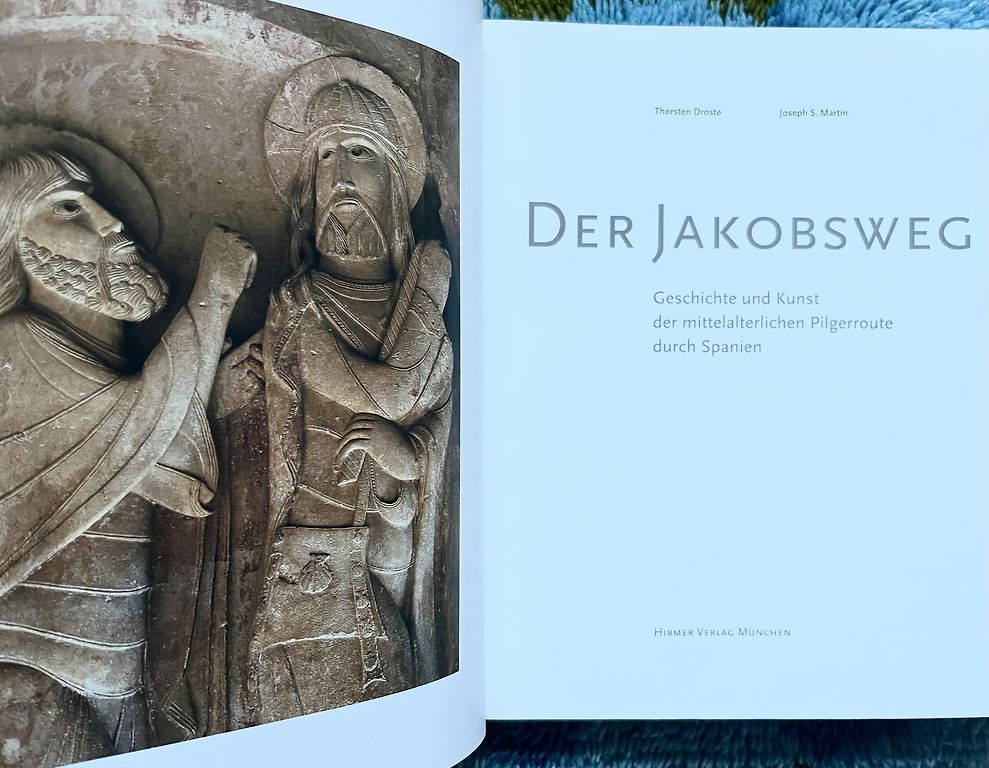
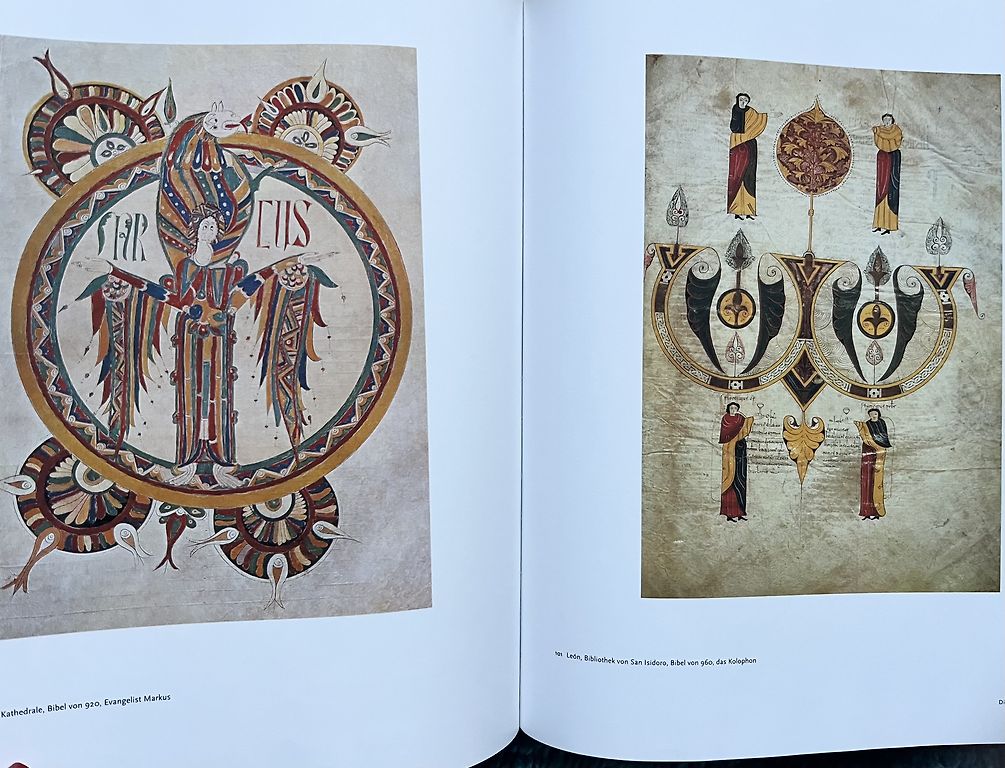
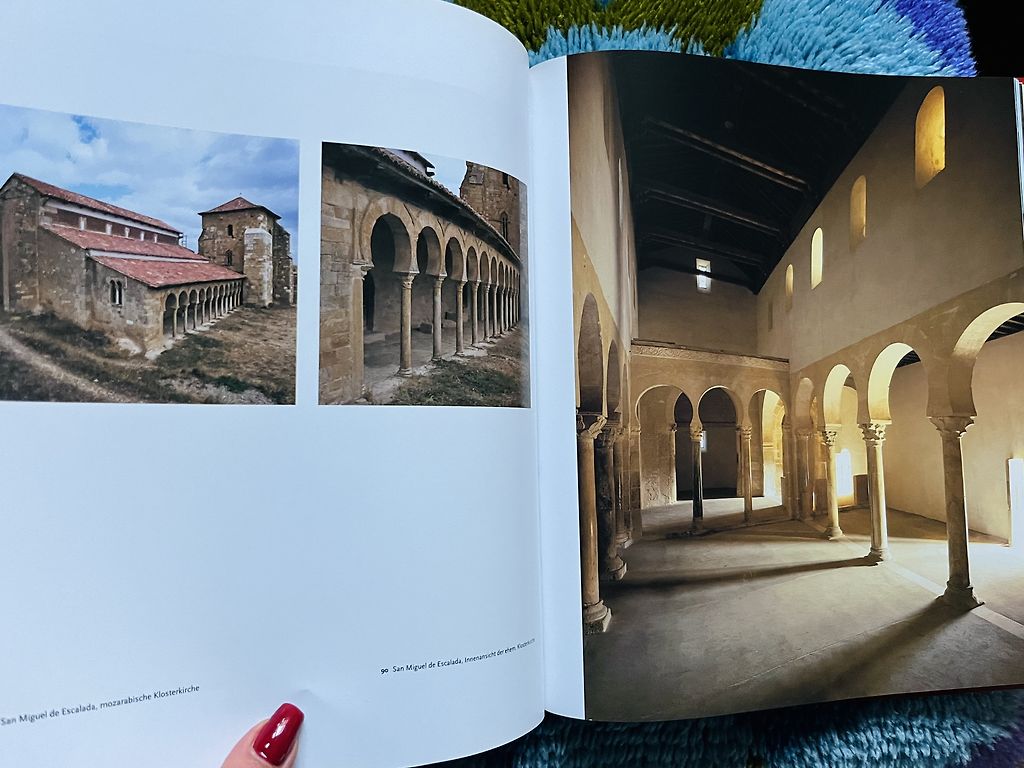
Ļoti skaista grāmata ar daudz foto - klosteru un katedrāļu arhitektūra, ainavas. Vēsture un būtisko svētceļojuma pieturvietu apraksti. Vācu valodā, 27x31cm., 238 lpp., ļoti labā stāvoklī.
Svētā Jēkaba ceļš (spāņu: Camino de Santiago) ir nosaukums svētceļotāju ceļam uz iespējamo Svētā Jēkaba atdusas vietu Santjago de Kompostelā. Tiek uzskatīts, ka Svētā Jēkaba mirstīgās atliekas atrodas Santjago de Kompostelas katedrālē. Created and established in the beginning of the 9th century
following the discovery of the relics of Saint James the Great, the Way of St. James became a major pilgrimage route of medieval Christianity from the 10th century onwards. Following the end of the Granada War in 1492, under the reign of the Catholic Monarchs Ferdinand II of Aragon and Isabella I of Castile, Pope Alexander VI officially declared the Camino de Santiago to be one of the "three great pilgrimages of Christendom", along with Jerusalem and the Via Francigena to Rome.
In 1987, the Camino, which encompasses several routes in Spain, France, and Portugal, was declared the first Cultural Route of the Council of Europe.