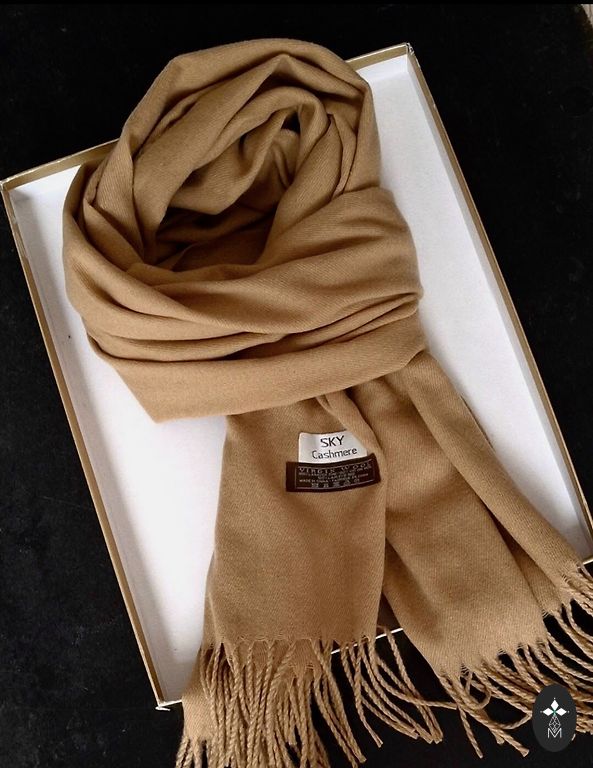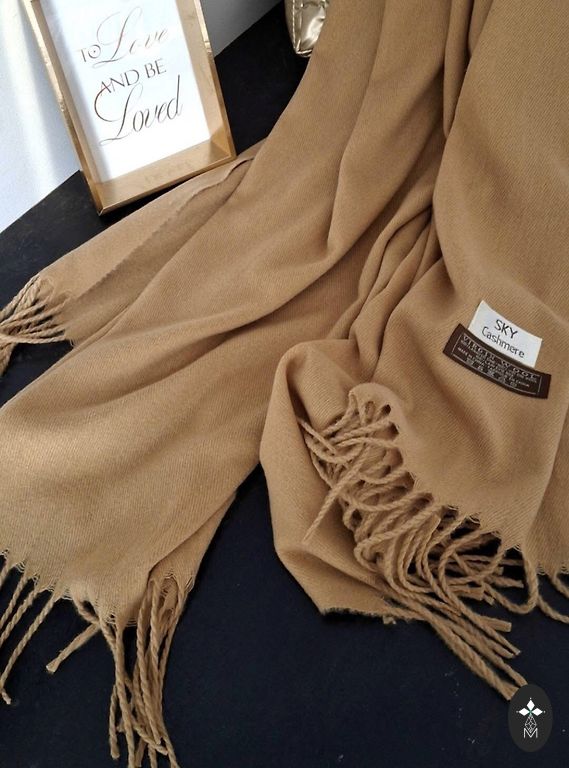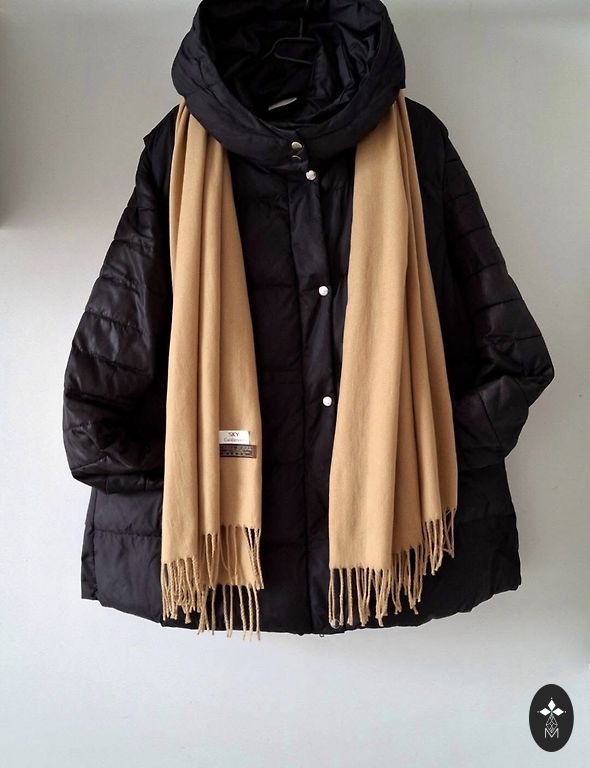




Orenburg wool shawl
| Brand | PSRS |
| Colour | Beige |
| Condition | Antique / Vintage |
| Material | Wool |
| Added | Yesterday, 19:08150 |
🐐 1851. gadā Londonas Vispasaules izstādē Orenburgas lakati saņēma starptautisku atzinību. Eiropieši bija sajūsmā par izstrādājumu vieglumu un siltumu.
🐐 Lai gan mūsdienās izmanto arī mašīnadīšanu, visvērtīgākie joprojām ir ar rokām darinātie lakati, jo tikai cilvēka pirksti spēj pietiekami smalki apstrādāt trauslo dūnu pavedienu.
🎀 Orenburgas lakatu unikalitātes pamatā ir īpašas šķirnes kazu dūnas, kas tiek uzskatītas par vienām no smalkākajām pasaulē.
🎀 Galvenās materiāla sastāvdaļas un to specifika:
1. Orenburgas kazu dūnas
Šīs dūnas ir pat smalkākas par slaveno Angoras kazu kašmiru. To kazas dūnu biezums ir aptuveni 16–18 mikroni (salīdzinājumam: cilvēka mats ir vidēji 50–70 mikroni).
Reģiona skarbais klimats — spēcīgie vēji un aukstās ziemas — liek kazām uzaudzēt neticami mīkstu un blīvu pavilnu, lai izdzīvotu.
2. Tā kā dūnu šķiedra pati par sevi ir ļoti īsa un trausla, to nevar noadīt tīrā veidā tā, lai lakats kalpotu gadiem. Tāpēc dūnas tiek "uzvērptas" uz izturīgāka pamata.
☝️ Ja Orenburgas kazas mēģina audzēt citur (piemēram, Francijā vai siltākos reģionos), to dūnas jau pēc dažām paaudzēm kļūst rupjas un zaudē savas unikālās īpašības. Viņām ir nepieciešams tieši Urālu sals, lai radītu šo "zelta" materiālu.
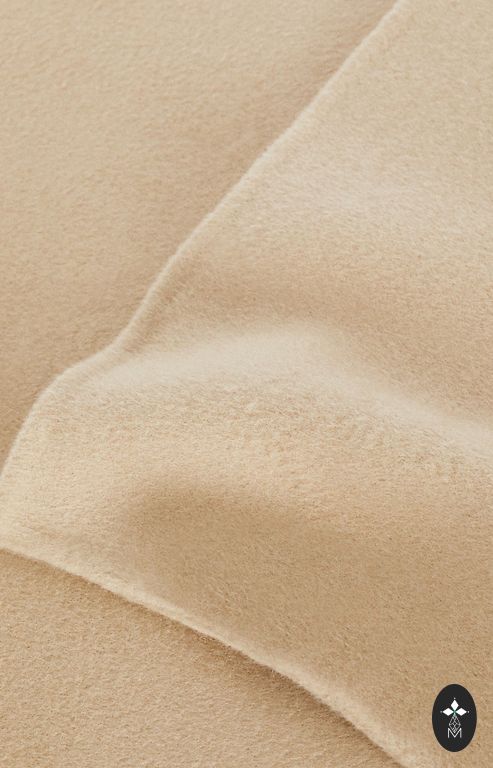
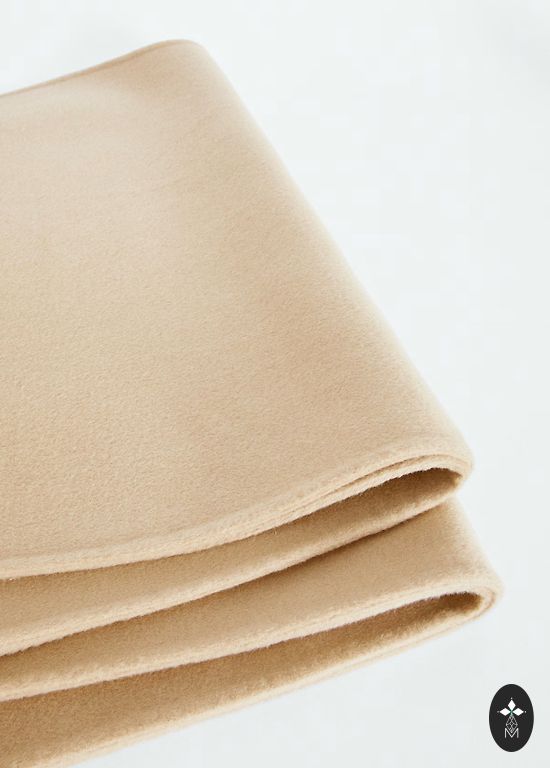
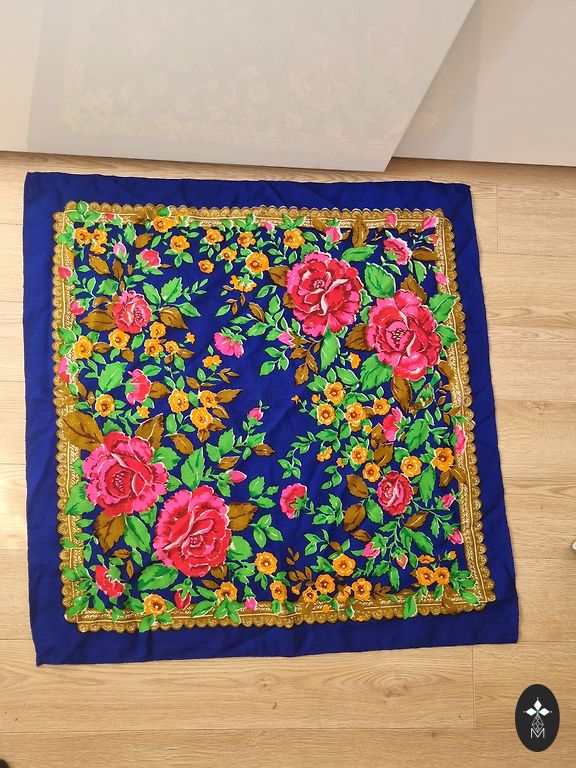
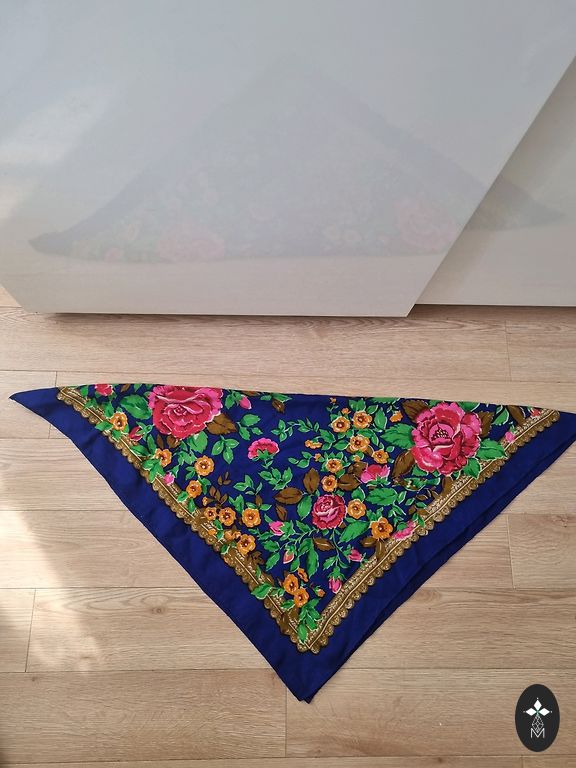
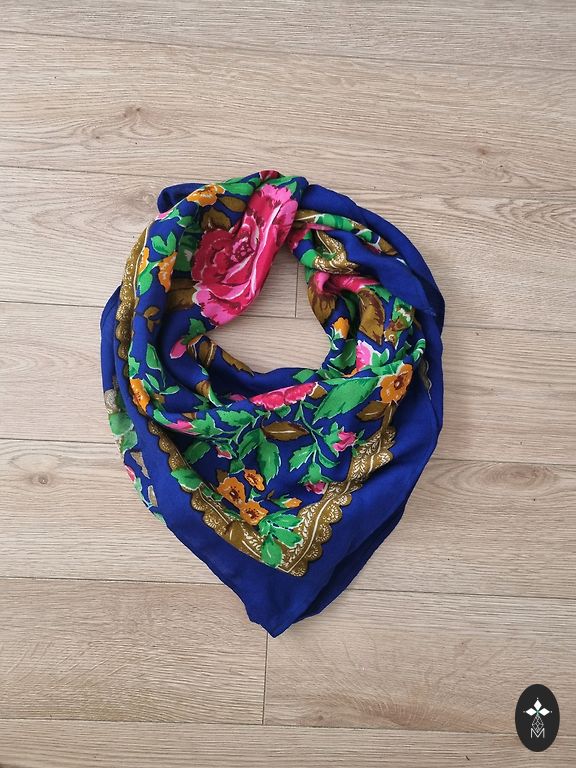
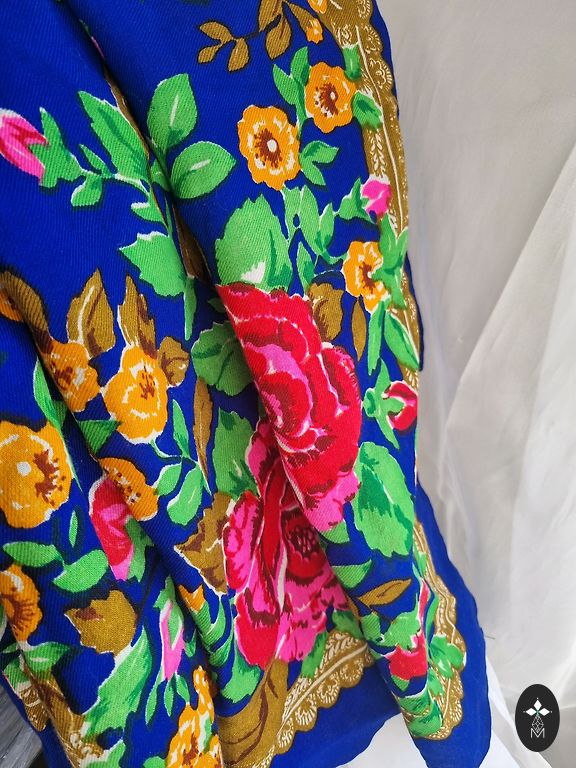
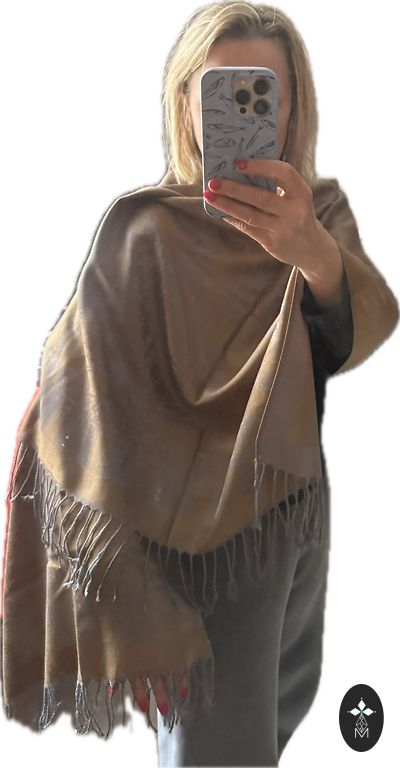
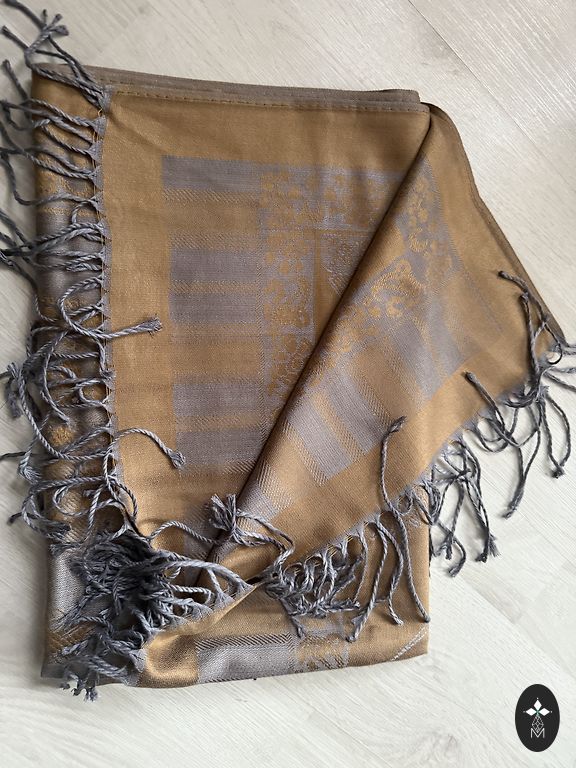
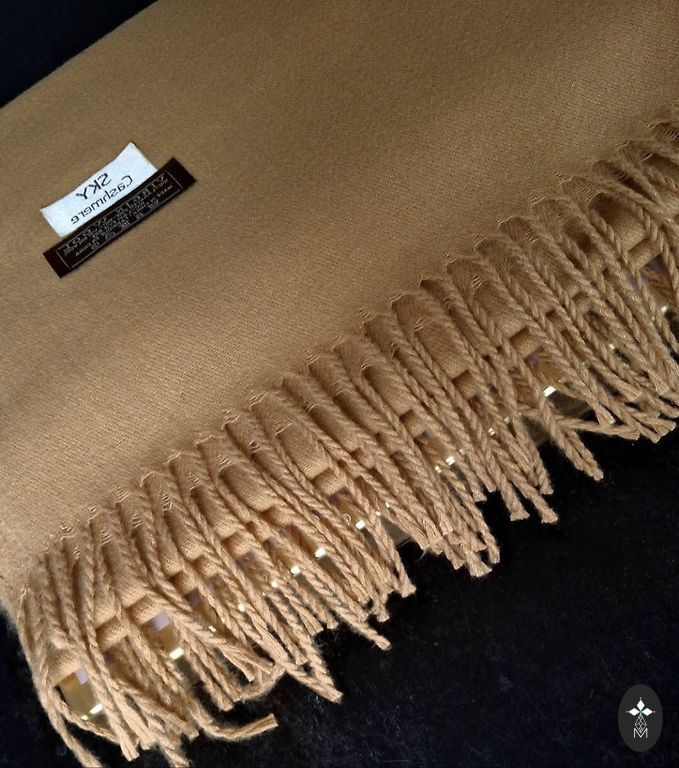
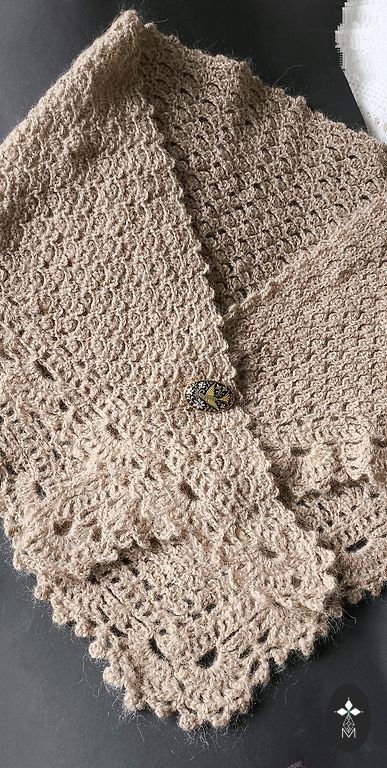
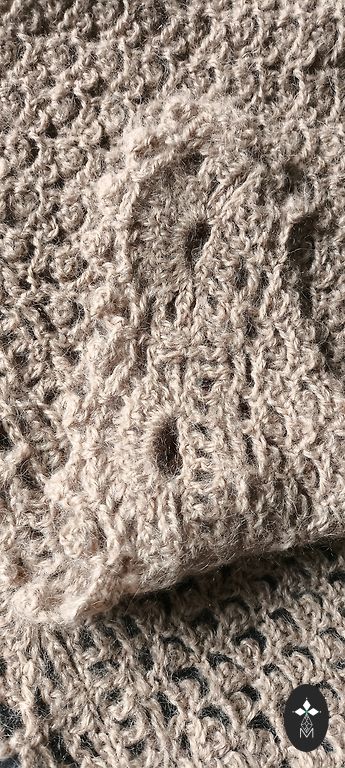
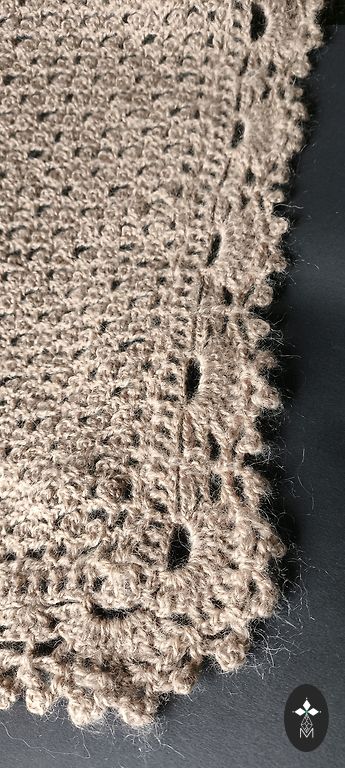
Viena no populārākajām metodēm, kā pārbauda Orenburgas lakatu, ir izvilkšana caur gredzenu. Bet ir vēl papildus pazīmes - tam ir jābūt ļoti vieglam un ar specifisku arhitektūru, kas sastāv no 3 daļām - vidus daļa, rāmja jeb apmales un zobotās malas. Tas viss šeit ir redzams.
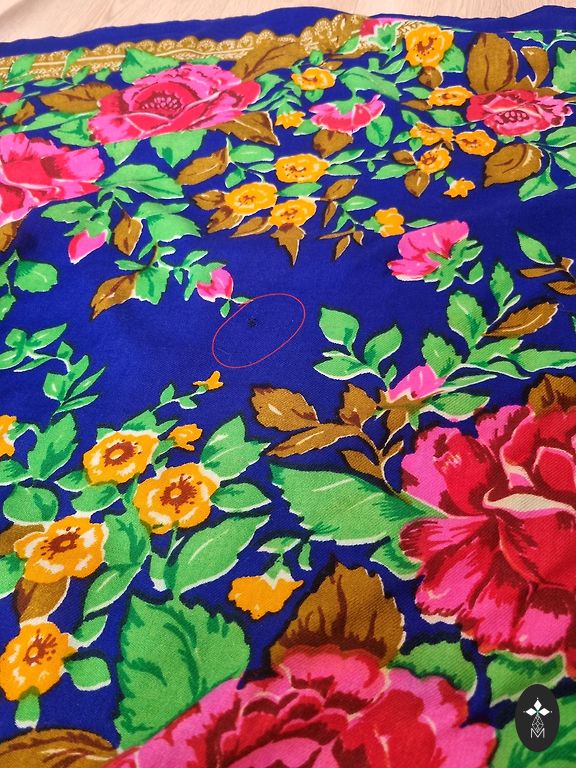
Lakats saglabājies bez defektiem.
Izmēri: 158 x 70 cm
Skaista, silta dāvana 🎁.
Tiekos Liepājā vai Rīgā, sūtīšana uz pircēja rēķina.
Rakstīt PM ">
🐐 Orenburg down shawls are one of the most prominent symbols of applied art, with a history spanning over 250 years.
🐐 The tradition began in the 18th century when Russian settlers in the Ural region noticed the local inhabitants' skill in using goat down for clothing, which helped endure harsh winters.
🐐 In 1766, researcher Pyotr Rychkov published the first work on goat down, proposing the establishment of a down knitting industry. His wife Alyona is considered one of the first to popularize this
craft.
🐐 In 1851, at the London World's Fair, Orenburg shawls received international recognition. Europeans were impressed by the lightness and warmth of the products.
🐐 Although machine knitting is used today, the most valuable shawls are still handmade, as only human fingers can finely handle the delicate down thread.
🎀 The uniqueness of Orenburg shawls lies in the down of a special breed of goats, considered among the finest in the world.
🎀 Main material components and their specifics:
1. Orenburg goat down
This down is even finer than the famous Angora goat cashmere. The thickness of the goat down is approximately 16–18 microns (for comparison: human hair is on average 50–70 microns).
The harsh climate of the region—strong winds and cold winters—causes goats to grow incredibly soft and dense undercoat to survive.
2. Since the down fiber itself is very short and fragile, it cannot be knitted in pure form for the shawl to last for years. Therefore, the down is "spun" onto a more durable base.
☝️ If Orenburg goats are attempted to be raised elsewhere (for example, in France or warmer regions), their down becomes coarse and loses its unique properties after just a few generations. They need the specific Ural frost to create this "golden" material.
One of the most popular methods to test an Orenburg shawl is pulling it through a ring. But there are additional features—it must be very light and have a specific architecture consisting of 3 parts—the central part, the frame or border, and the scalloped edges. All of this is visible here.
The shawl is preserved without defects.
Dimensions: 158 x 70 cm
A beautiful, warm gift 🎁.
Meeting in Liepaja or Riga, shipping at the buyer's expense.
Write PM